

Warmth and space can both be real
You can chat warmly for hours, send voice notes, share songs, make plans, and feel completely open. Then a day later, the same conversation feels like too much. You still like the person. You still meant the warmth. But your mind and body want distance before you can show up again.
People often call this mixed signals. Sometimes it is. But not always. The warm-then-quiet pattern can come from social battery, overstimulation, fear of closeness, unclear boundaries, or a habit of giving more energy than you can sustain. The important question is not whether the warmth was fake. The important question is why the drop happens and whether you communicate it responsibly.
If you do not understand your own pattern, other people have to invent explanations. They may assume you lost interest, played with them, or only wanted attention. Clearer self-knowledge does not solve everything, but it gives the connection a fairer chance.
The social battery version
For some people, warmth is not the problem. The problem is duration. They can be fully present in a conversation, but only for a certain amount of emotional intensity before their system needs quiet. They are not pretending. They are spending real energy.
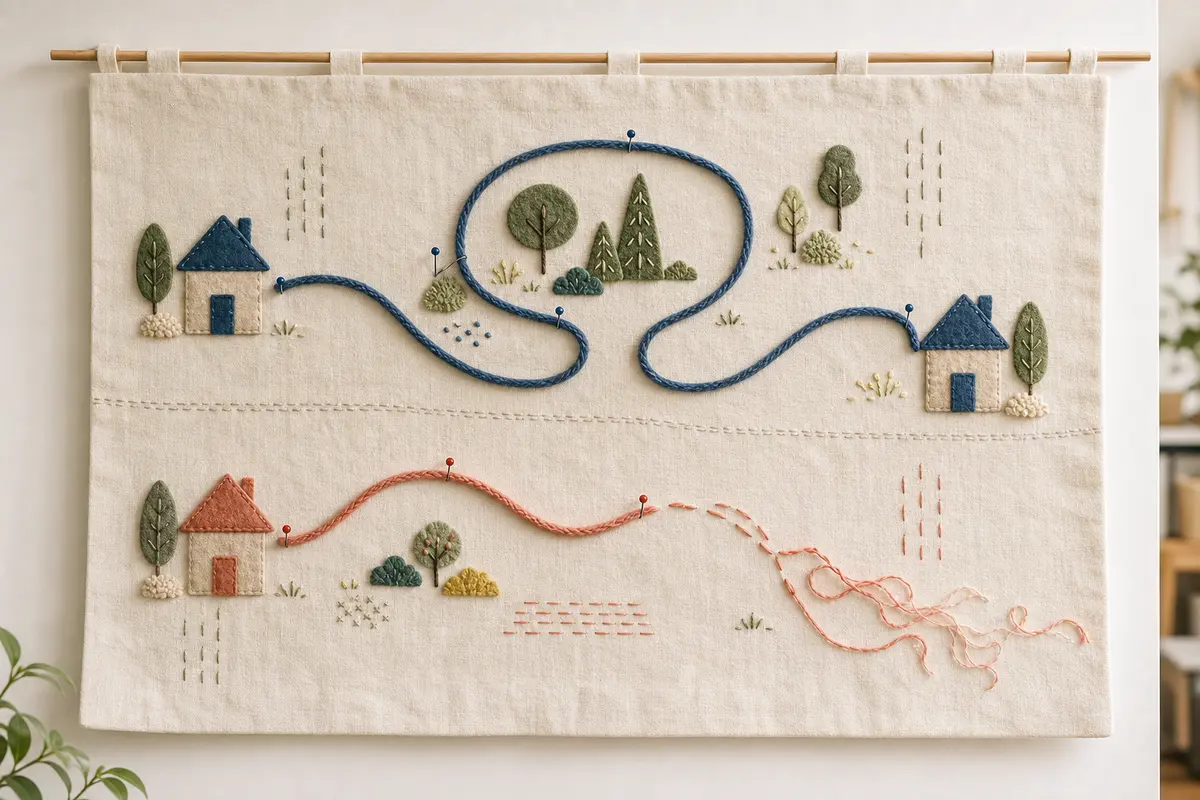
The social battery version usually has a clear recovery pattern. After quiet time, the person returns with warmth. They do not punish, disappear indefinitely, or create confusion on purpose. They simply need a gap between closeness and the next round of closeness.
- You feel genuine during the conversation.
- You feel drained afterward, even if it went well.
- You return better after predictable quiet time.
- You feel guilty when others read your recovery as rejection.
The avoidance version
There is another version that needs more honesty. Sometimes you become warm because the moment feels good, then pull away because closeness starts to feel like expectation. The other person wants consistency, and suddenly the connection feels like pressure. You may tell yourself you only need space, but what you really need is to avoid being needed.
This does not make you a bad person. It does mean the pattern can hurt people if you never explain it or examine it. Research on closeness discrepancies in romantic relationships is helpful here: people can want different amounts of closeness, and the mismatch between actual and desired closeness can matter for well-being and stability. Space is healthy when it restores your ability to connect. Avoidance is different. Avoidance uses silence to escape the discomfort of being clear.
A simple test helps: after space, do you come back more honest, or do you come back vague and reset the cycle? Recovery creates steadier contact over time. Avoidance creates repeated confusion.
When a good night turns into pressure
Imagine someone who loves late-night conversations. They become funny, open, affectionate, and curious. They share a playlist, talk about old family stories, and say, "This is easy with you." The next morning, the other person sends a warm follow-up, and they feel a wave of pressure. They wait to reply, not because they stopped caring, but because the previous night created more closeness than they know how to hold during a normal day.
From inside, it feels like needing air. From outside, it can look like hot-and-cold behavior. Both experiences are understandable. That is why communication matters. If the person says, "I had a really good time talking. I am low on energy today, but I am not pulling away," the other person gets context instead of silence.
Space becomes kinder when it has a name, a reason, and a return point.
Words that make the pattern less confusing
You do not need to overexplain every mood. You do need to avoid making people guess whether they matter. The best sentences are short and specific. They name the difference between low energy and low interest.
- "I liked talking last night. I am quiet today because I need to recharge."
- "I want to keep seeing you, but I move better with a little space between intense conversations."
- "If I go offline, it is about energy, not punishment."
- "I am not ready to move faster, but I do want to be clear instead of vague."
These sentences do not guarantee the other person will be comfortable with your pace. They do give them real information. That is more respectful than disappearing and hoping they interpret you generously.
If you are close to someone with this pattern
If someone chats warmly and then needs space, watch the whole pattern. Do they return with care? Do they explain themselves when you ask? Do they respect your need for consistency too? Space can be healthy, but it should not require you to live in constant uncertainty.
You can ask directly without attacking: "When you get quiet after we have a close conversation, I start wondering where I stand. Can you tell me what that usually means for you?" Their answer will teach you a lot. A responsible person will try to make the pattern clearer. An unavailable person may blame you for needing any clarity at all.
Your needs count too. You can respect someone's battery and still decide you need more steady contact than they can offer. Compatibility is not about proving one person is right. It is about whether both nervous systems can feel safe enough together.
Make space easier to trust
Why you chat warmly and then need space can have several roots. Maybe you spend social energy intensely. Maybe closeness feels exciting at night and heavy the next day. Maybe you need better boundaries before you become overloaded. Maybe you are avoiding the responsibility of clear connection.
The next time the warm-then-quiet pattern appears, ask yourself one practical question: what would make my space easier to understand and easier to trust? If you can answer that with honest words and a real return point, the pattern becomes less confusing for everyone involved. If the person on the other side starts reading your silence for hidden meaning, this guide to overthinking while acting fine explains their side of the loop. You can also use the personality test to see whether this pattern fits your broader energy and relationship style.


