

Practical affection can be easy to miss
Dating someone who does not say sweet things can feel confusing. They may care deeply but sound plain, dry, or overly practical. You tell them you had a hard day, and instead of saying something poetic, they ask whether you ate, whether you got home safely, or whether you want help solving the problem.
That can feel disappointing if you need verbal warmth. It can also be easy to misread. Some people show love by reducing friction, remembering details, fixing what hurts, and staying steady when life is inconvenient. They may not decorate the feeling with soft words, but the care can still be real.
The key is balance. Practical affection is meaningful when it is consistent, respectful, and responsive. Relationship researchers use the term perceived responsiveness for the feeling that a partner understands, validates, and cares about what you disclose. That idea is useful here because a quiet partner's action only becomes comforting if you can actually experience it as care.
Practical love is not a free pass for emotional coldness. You should not have to pretend words do not matter if words matter to you. The goal is to read their style accurately while still being honest about your needs.
What practical affection looks like
Practical affection is often specific. They remember your schedule. They bring a charger because your phone always dies. They check the weather before you leave. They notice what overwhelms you and quietly remove one thing from the pile. None of this sounds like a movie line, but it can be a real form of care.
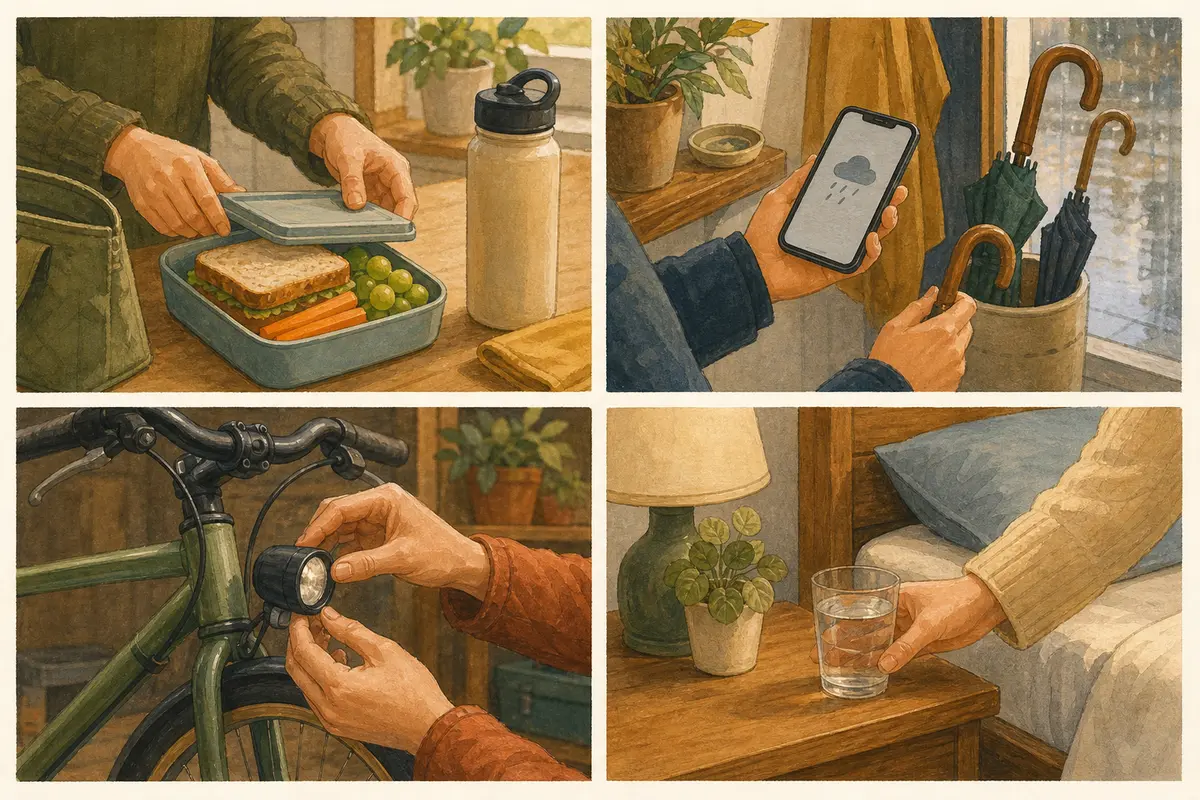
- They follow through after saying they will help.
- They remember details that make your day easier.
- They stay present during inconvenient moments.
- They solve with you, not over you.
- They adjust when you explain what kind of comfort helps.
The repeated pattern matters more than one grand gesture. A person can say beautiful things and still be unreliable. A person can say plain things and still be deeply dependable.
Why sweet words may feel difficult for them
Some people did not grow up hearing affection spoken directly. Some feel awkward when language becomes emotionally decorative. Some worry that sweet words sound fake unless they are tied to action. Others are simply more comfortable with responsibility than verbal tenderness.
This does not mean they cannot learn. It means the starting point may be different. If someone has spent years proving care through usefulness, they may not understand that a warm sentence can be useful too. To them, saying "I am proud of you" may feel less concrete than showing up, driving across town, or fixing the thing that stressed you out.
Understanding the reason helps you avoid a false choice. You do not have to decide that actions are everything or words are everything. Healthy affection can include both. The question is whether both people are willing to learn the other person's language without mocking it.
When care arrives as logistics
Imagine someone who rarely says, "I miss you." Instead, they send a message asking whether your meeting ended, because they know you were nervous. They do not write long romantic paragraphs, but they remember that your car needs service and offer to go with you on Saturday morning. You may still wish they were softer with words. That wish is valid. But the care is not absent just because it arrives in work clothes.
The problem comes when both people translate the same behavior differently. One person thinks, "I am showing love by being reliable." The other thinks, "If you loved me, you would say it in a way I can feel." Neither person is ridiculous. They are using different evidence.
The healthiest question is not "Which style is right?" It is "What does each of us need in order to feel the care that is already there?"
How to separate practical love from emotional neglect
Not every lack of sweet words is practical affection. Sometimes it is avoidance, dismissiveness, or low investment. The difference is response. A caring person may be awkward with words, but they take your needs seriously when you explain them. A neglectful person uses their style as a wall.
- Practical affection says, "I am not good at saying it, but I want to understand what helps."
- Neglect says, "This is just how I am, so stop needing anything."
- Practical affection shows consistency when life is boring or inconvenient.
- Neglect appears only when it is easy, public, or useful to them.
Pay attention to whether you feel safer over time. You do not need constant verbal performance. But you do need enough warmth, respect, and responsiveness to feel like a person, not a task.
How to ask for more warmth without dismissing their style
Start by naming what you appreciate. This lowers defensiveness and makes the request more accurate. Try: "I notice how much you do for me, and it matters. I also feel closer when you say something warm directly." That sentence does not erase their effort. It explains how to make the effort easier for you to receive.
Be specific. "Be more romantic" is hard to use. "When I am stressed, can you say, 'I am here with you,' before we problem-solve?" is much easier. Specific requests give practical people a clear bridge into emotional language.
If you are the practical person, do not assume your actions speak for themselves every time. Sometimes the person you love needs a caption. A simple "I did this because I care about you" can turn a helpful action into felt affection.
Name the care you receive and need
What it is like to date someone who does not say sweet things depends on what stands behind the silence. If there is steady action, repair, attention, and willingness to learn, you may be seeing a practical love style. If there is dismissal, inconsistency, and no interest in your needs, that is not just a style difference.
Look at the pattern, not the performance. Then ask yourself: what kind of care do I receive, and what kind of care do I still need to name? A good relationship should make room for both answers. If the hard part is not affection style but the way someone gets warm and then pulls back, read why warm conversations sometimes lead to space. If you want to compare this with your own way of showing care, the Traitiva personality test is a useful next step.


